The Rapid Growth of E-commerce
The e-commerce landscape has undergone a remarkable transformation over the past decade. With the advent of technology and the internet, online shopping has become a staple in the daily lives of consumers worldwide. The convenience of browsing and purchasing products from the comfort of one’s home has driven the exponential growth of e-commerce. According to recent studies, global e-commerce sales are projected to reach $7.4 trillion by 2025, highlighting the immense potential for online retailers.
This surge in online shopping can be attributed to several factors, including the proliferation of smartphones, improved internet connectivity, and the rise of social media platforms. Consumers now have access to a vast array of products and services at their fingertips, making it easier than ever to compare prices, read reviews, and make informed purchasing decisions. As a result, e-commerce has become a highly competitive industry, necessitating strategic planning and innovation for businesses to thrive.
Key Trends Shaping the E-commerce Industry
The e-commerce industry is constantly evolving, with new trends emerging every year. Staying abreast of these trends is crucial for online retailers looking to capitalize on the latest opportunities. Some of the key trends shaping the e-commerce landscape include:
- Mobile Commerce: With the increasing use of smartphones, mobile commerce has become a significant driver of e-commerce growth. Retailers are optimizing their websites for mobile devices and developing dedicated mobile apps to enhance the shopping experience.
- Social Commerce: Social media platforms like Instagram, Facebook, and Pinterest have integrated shopping features, allowing users to purchase products directly from their feeds. This trend has blurred the lines between social media and e-commerce, creating new opportunities for retailers.
- Personalization: Consumers expect personalized shopping experiences tailored to their preferences and behaviors. E-commerce businesses are leveraging data analytics and artificial intelligence to deliver personalized product recommendations and targeted marketing campaigns.
- Sustainability: Environmental consciousness is on the rise, and consumers are increasingly seeking eco-friendly products and sustainable packaging. E-commerce retailers are responding by adopting greener practices and promoting their sustainability efforts to attract environmentally conscious shoppers.
The Role of Product Reviews in E-commerce
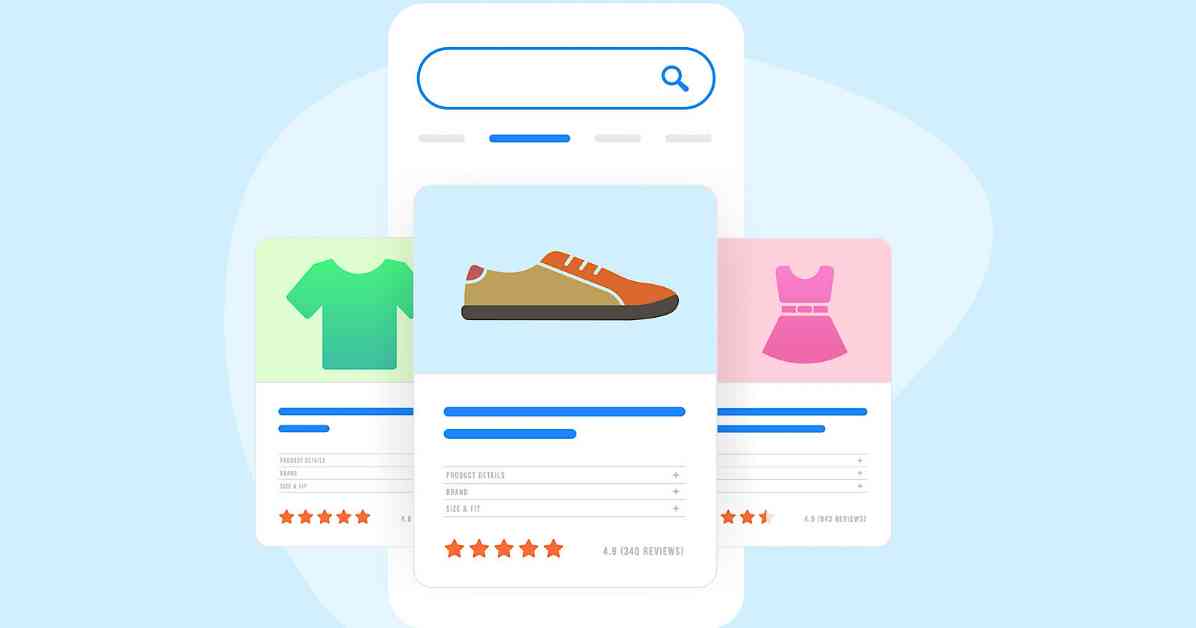
Product reviews play a pivotal role in the e-commerce ecosystem. They provide valuable insights into the quality and performance of products, helping consumers make informed decisions. Positive reviews can significantly boost sales, while negative reviews can deter potential buyers. Therefore, e-commerce retailers must prioritize customer satisfaction and encourage honest feedback to build trust and credibility.
To leverage the power of product reviews, retailers can implement strategies such as:
- Post-Purchase Emails: Sending follow-up emails to customers after their purchase, requesting them to leave a review. This not only enhances the customer experience but also provides valuable feedback for the retailer.
- Incentives: Offering discounts or rewards for customers who leave reviews. This can incentivize more customers to share their experiences and increase the volume of reviews.
- Highlighting Reviews: Featuring positive reviews prominently on product pages and marketing materials. This can build trust and encourage potential buyers to make a purchase.
Staying Informed with Industry News
In the fast-paced world of e-commerce, staying informed about the latest industry news and updates is essential. Keeping up with trends, technological advancements, and regulatory changes can give retailers a competitive edge. For instance, staying updated on pet care news and updates can be crucial for retailers specializing in pet products, ensuring they meet the evolving needs of their customers.
Retailers can stay informed by:
- Subscribing to Industry Newsletters: Many e-commerce platforms and industry experts offer newsletters that provide regular updates on the latest trends and best practices.
- Attending Industry Conferences and Webinars: These events offer valuable insights and networking opportunities, allowing retailers to learn from industry leaders and peers.
- Following Industry Blogs and Social Media: Engaging with industry blogs, forums, and social media groups can provide real-time updates and foster a sense of community among retailers.
Strategies for E-commerce Success
To succeed in the competitive e-commerce landscape, retailers must adopt strategic approaches that enhance their online presence and customer experience. Some key strategies include:
Optimizing the User Experience
A seamless and intuitive user experience is crucial for retaining customers and driving sales. Retailers should focus on:
- Website Design: Ensuring the website is visually appealing, easy to navigate, and mobile-friendly. A well-designed website can significantly enhance the shopping experience and encourage repeat purchases.
- Loading Speed: Optimizing the website’s loading speed to reduce bounce rates and improve customer satisfaction. Slow-loading websites can frustrate users and lead to lost sales.
- Customer Support: Providing excellent customer support through live chat, email, and phone. Prompt and helpful customer service can build trust and loyalty.
Leveraging Data Analytics
Data analytics is a powerful tool for e-commerce retailers, providing insights into customer behavior, sales trends, and marketing effectiveness. By leveraging data analytics, retailers can:
- Identify Customer Preferences: Understanding what products and features resonate with customers can help retailers tailor their offerings and marketing strategies.
- Optimize Inventory Management: Analyzing sales data can help retailers manage inventory more effectively, reducing stockouts and overstock situations.
- Improve Marketing Campaigns: Tracking the performance of marketing campaigns can help retailers allocate their budgets more effectively and maximize their return on investment.
Building a Strong Brand Identity
A strong brand identity is essential for standing out in the crowded e-commerce market. Retailers should focus on:
- Consistent Branding: Ensuring that the brand’s visual identity, messaging, and values are consistent across all touchpoints, from the website to social media and packaging.
- Storytelling: Crafting a compelling brand story that resonates with customers and differentiates the retailer from competitors.
- Customer Engagement: Engaging with customers through social media, email marketing, and other channels to build a loyal community around the brand.
Conclusion
The e-commerce industry is dynamic and ever-evolving, presenting both challenges and opportunities for online retailers. By staying informed about the latest trends, leveraging data analytics, and adopting strategic approaches, retailers can enhance their online presence, improve customer satisfaction, and drive sales. Embracing innovation and prioritizing the customer experience will be key to thriving in the competitive e-commerce landscape.
To enhance your e-commerce success, delve into essential digital marketing strategies that can drive your online shopping platform to new heights.
To stay ahead in the fast-paced world of e-commerce, it’s essential to understand the latest trends shaping global markets—discover more in our feature on recent developments reshaping the world.
If you’re looking to upgrade your kitchen tools, our veggie chopper buying guide will help you find the perfect match for your cooking needs.