The Rapid Growth of E-commerce
The e-commerce industry has witnessed exponential growth over the past decade, driven by technological advancements and changing consumer behaviors. With the rise of smartphones and high-speed internet, online shopping has become more accessible and convenient than ever before. According to recent statistics, global e-commerce sales are projected to reach $7.4 trillion by 2025, highlighting the immense potential for online retailers.
As the industry continues to evolve, it is crucial for e-commerce businesses to stay informed about the latest trends and adapt their strategies accordingly. Keeping up with latest news updates today summary and industry insights can provide a competitive edge and help retailers navigate the dynamic landscape of online commerce.
The Impact of Mobile Commerce
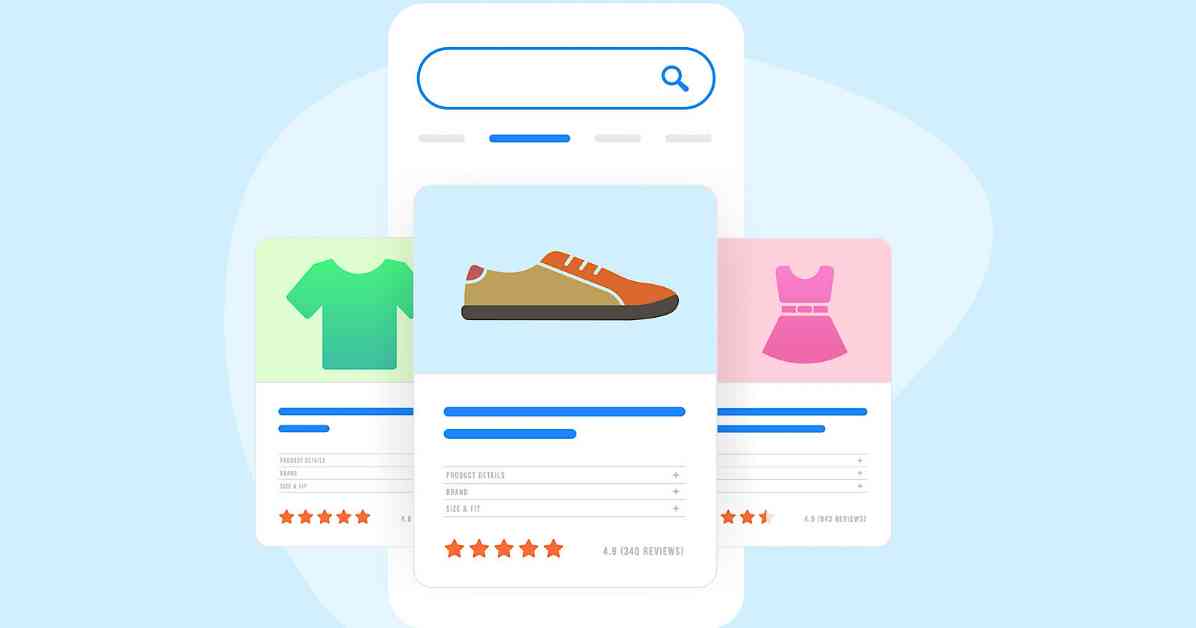
Mobile commerce, or m-commerce, has emerged as a significant trend in the e-commerce sector. With the increasing use of smartphones, consumers are now able to shop anytime, anywhere. Mobile-friendly websites and dedicated shopping apps have become essential for online retailers to cater to this growing market segment.
To capitalize on the mobile commerce trend, e-commerce businesses should focus on creating seamless and user-friendly mobile experiences. This includes optimizing websites for mobile devices, ensuring fast loading times, and providing secure payment options. Additionally, leveraging mobile marketing strategies such as SMS promotions and in-app notifications can help drive customer engagement and sales.
Key Strategies for Mobile Optimization
1. **Responsive Design:** Ensure your website is responsive and adapts to different screen sizes.
2. **Fast Loading Times:** Optimize images and use caching to improve page load speeds.
3. **Secure Payment Gateways:** Implement secure and convenient payment options to build customer trust.
4. **Mobile-Friendly Navigation:** Simplify navigation and make it easy for users to find products.
5. **App Development:** Consider developing a dedicated shopping app to enhance the mobile shopping experience.
The Role of Social Commerce
Social commerce, the integration of e-commerce with social media platforms, has gained significant traction in recent years. Platforms like Instagram, Facebook, and Pinterest have introduced features that allow users to shop directly from their feeds, making the purchasing process more seamless and interactive.
For e-commerce businesses, leveraging social commerce can open up new avenues for customer acquisition and engagement. By creating compelling content and utilizing shoppable posts, retailers can drive traffic to their online stores and increase conversion rates. Collaborating with influencers and utilizing user-generated content can also enhance brand credibility and reach.
Tips for Effective Social Commerce
1. **Shoppable Posts:** Utilize shoppable posts on Instagram and Facebook to showcase products directly in the feed.
2. **Influencer Collaborations:** Partner with influencers to promote your products and reach a wider audience.
3. **User-Generated Content:** Encourage customers to share their experiences and tag your brand.
4. **Engaging Content:** Create visually appealing and engaging content that resonates with your target audience.
5. **Analytics and Insights:** Use analytics tools to track performance and optimize your social commerce strategy.
The Importance of Personalization
Personalization has become a key factor in the success of e-commerce businesses. Consumers expect tailored experiences that cater to their individual preferences and needs. By leveraging data analytics and machine learning, online retailers can offer personalized product recommendations, targeted marketing campaigns, and customized shopping experiences.
Implementing personalization strategies can significantly enhance customer satisfaction and loyalty. For instance, using customer data to provide relevant product suggestions can increase the likelihood of repeat purchases. Additionally, personalized email marketing campaigns can help re-engage inactive customers and drive sales.
Strategies for Effective Personalization
1. **Data Collection:** Gather customer data through surveys, purchase history, and browsing behavior.
2. **Product Recommendations:** Use algorithms to suggest products based on customer preferences.
3. **Targeted Marketing:** Create personalized email campaigns and ads to reach specific customer segments.
4. **Dynamic Content:** Implement dynamic content on your website to display personalized messages and offers.
5. **Customer Segmentation:** Segment your customer base to tailor your marketing efforts effectively.
Conclusion
The e-commerce landscape is continuously evolving, with mobile commerce, social commerce, and personalization playing pivotal roles in shaping the industry. By staying informed about the latest trends and adopting innovative strategies, online retailers can enhance their customer experiences and drive business growth. Embracing these trends and leveraging the right tools and technologies will be crucial for success in the competitive world of e-commerce.
Before you embark on your next adventure, be sure to check out our travel health and wellness tips to ensure you’re well-prepared and can focus on enjoying your journey, whether you’re shopping abroad or reviewing local products.
If you’re a fan of unique finds and artistic expression, you’ll love discovering how Glasgow’s vibrant culture is influencing the world of e-commerce and product design in our feature Glasgow’s artistic evolution.
To elevate your online shopping game, delve into wireless charger shopping tips and discover how to make the most of your e-commerce experience.