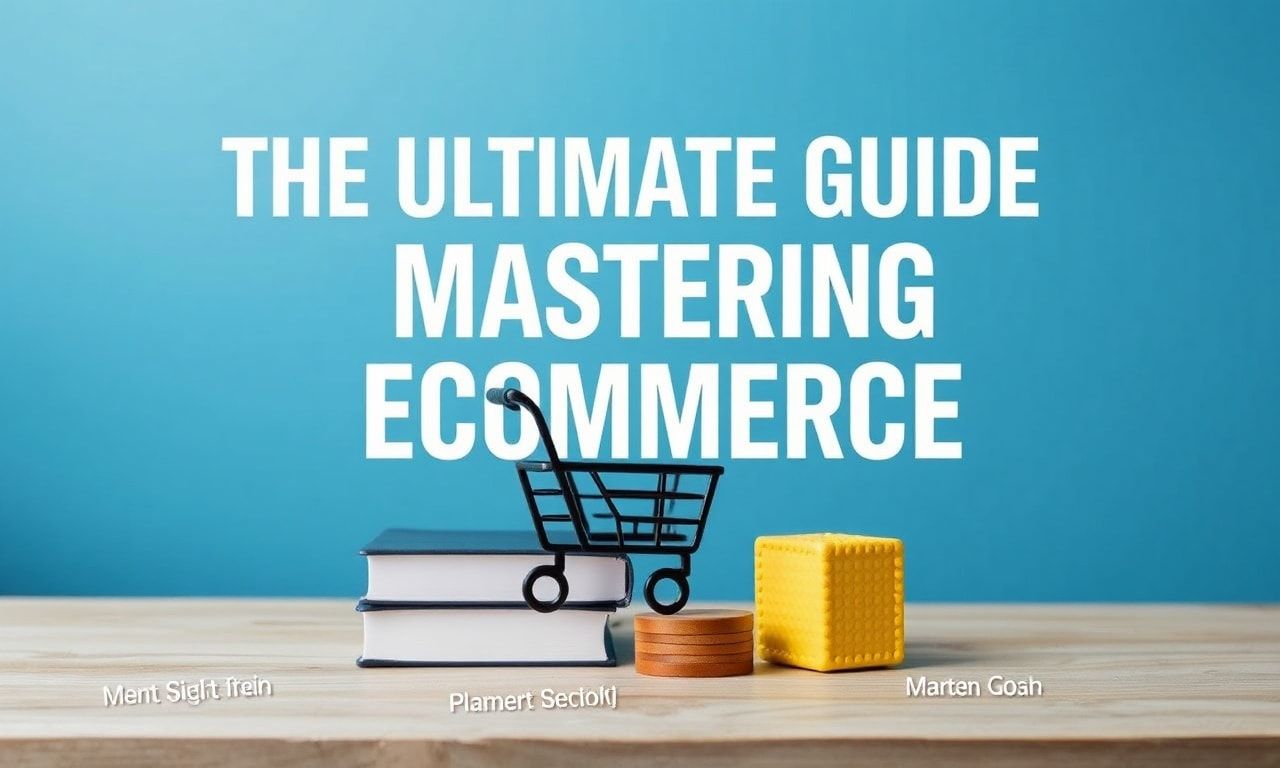
Understanding the E-commerce Landscape
The e-commerce industry has witnessed exponential growth over the past decade, revolutionizing the way consumers shop and businesses operate. With the convenience of online shopping, consumers can browse and purchase products from the comfort of their homes, while businesses can reach a global audience with minimal overhead costs. Understanding the dynamics of this landscape is crucial for both consumers and businesses to maximize their benefits.
The Importance of Product Reviews
Product reviews play a pivotal role in the e-commerce ecosystem. They provide valuable insights into the quality and performance of products, helping consumers make informed purchasing decisions. For businesses, positive reviews can significantly boost sales and build trust with potential customers. Conversely, negative reviews offer constructive feedback that can be used to improve products and services. Encouraging customers to leave reviews and responding to feedback professionally can enhance a business’s reputation and foster customer loyalty.
How to Leverage Product Reviews
To leverage product reviews effectively, businesses should:
- Encourage customers to leave reviews through follow-up emails and incentives.
- Respond to both positive and negative reviews promptly and professionally.
- Use review data to identify trends and areas for improvement.
- Showcase positive reviews on product pages and marketing materials.
Optimizing Your E-commerce Strategy
An effective e-commerce strategy involves more than just having an online store. It requires a comprehensive approach that includes search engine optimization (SEO), social media marketing, email marketing, and content marketing. SEO, in particular, is crucial for driving organic traffic to your website. Utilizing tools like backlink agent für seo foren can help improve your website’s visibility and ranking on search engines, ultimately leading to increased sales and revenue.
Key Components of an E-commerce Strategy
To optimize your e-commerce strategy, consider the following components:
- SEO: Optimize your website for search engines by using relevant keywords, meta descriptions, and high-quality backlinks.
- Social Media Marketing: Engage with your audience on social media platforms to build brand awareness and drive traffic to your website.
- Email Marketing: Use email campaigns to nurture leads, promote products, and keep customers informed about new offerings.
- Content Marketing: Create valuable content that educates and entertains your audience, positioning your brand as an authority in your niche.
Enhancing the Customer Experience
The customer experience is at the heart of e-commerce success. From the moment a customer lands on your website to the point of delivery, every interaction should be seamless and enjoyable. A well-designed website with intuitive navigation, high-quality product images, and detailed descriptions can significantly enhance the shopping experience. Additionally, offering multiple payment options, secure checkout processes, and excellent customer service can build trust and encourage repeat purchases.
Tips for Enhancing Customer Experience
To enhance the customer experience, consider the following tips:
- Website Design: Ensure your website is visually appealing, easy to navigate, and mobile-friendly.
- Product Presentation: Use high-quality images and detailed descriptions to showcase your products effectively.
- Payment Options: Offer multiple payment methods to cater to different customer preferences.
- Customer Service: Provide excellent customer service through live chat, email, and phone support.
Staying Ahead of the Competition
In the competitive world of e-commerce, staying ahead of the competition is essential for long-term success. This involves continuously monitoring industry trends, analyzing competitors’ strategies, and adapting to changes in consumer behavior. Investing in technology, such as AI and machine learning, can help businesses personalize the shopping experience, predict customer needs, and streamline operations. Additionally, building a strong brand identity and fostering customer loyalty can differentiate your business from competitors and drive sustained growth.
Strategies for Staying Competitive
To stay ahead of the competition, consider the following strategies:
- Market Research: Conduct regular market research to identify trends and opportunities.
- Competitor Analysis: Analyze your competitors’ strategies to identify areas for improvement.
- Technology Investment: Invest in cutting-edge technology to enhance the customer experience and streamline operations.
- Brand Building: Build a strong brand identity through consistent messaging and high-quality products.
Looking to boost your online jewelry sales? Discover proven e-commerce success tips tailored for illustrated necklace sellers.
In the spirit of global commerce, our latest feature cultural exchange and community growth delves into how understanding diverse markets can enrich your online shopping experience and e-commerce strategies.
Readers interested in this subject may also want to explore The Future of Ecommerce: Trends and for additional perspectives.