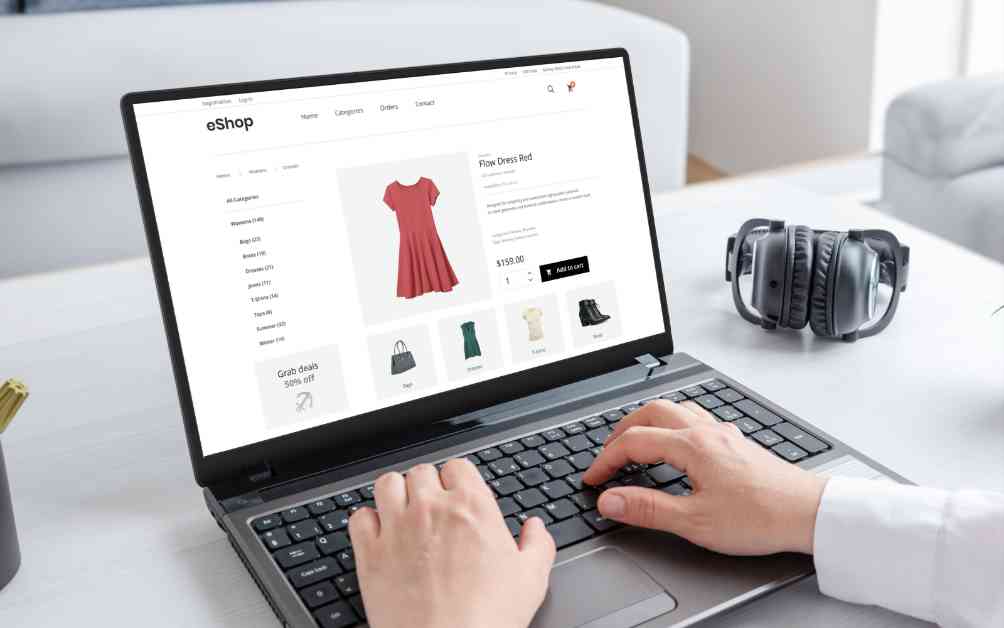
The Evolution of Ecommerce
The landscape of ecommerce has undergone a dramatic transformation over the past few decades. From the early days of static web pages to the dynamic, interactive platforms of today, the evolution has been nothing short of remarkable. This shift has not only changed the way businesses operate but also how consumers shop. Understanding this evolution is crucial for anyone looking to thrive in the modern ecommerce environment.
Key Strategies for Ecommerce Success
Success in ecommerce is not accidental; it is the result of strategic planning and execution. Here are some key strategies that can help you achieve your goals:
- Customer-Centric Approach: Putting the customer at the center of your strategy is paramount. This involves understanding their needs, preferences, and pain points. Personalization is key, and tools like AI-driven recommendations can significantly enhance the shopping experience.
- Seamless User Experience: A seamless user experience is non-negotiable. This includes easy navigation, fast loading times, and a smooth checkout process. Investing in a well-designed, user-friendly website is a must.
- Mobile Optimization: With the increasing use of smartphones, mobile optimization is crucial. Ensure your website is responsive and provides a great experience on all devices.
- Data-Driven Decisions: Utilize data analytics to make informed decisions. Track key metrics like conversion rates, bounce rates, and customer retention to continuously improve your strategies.
The Role of Content in Ecommerce
Content plays a pivotal role in ecommerce. High-quality, engaging content can drive traffic, build trust, and ultimately boost sales. Blog posts, product descriptions, and customer reviews are all essential components of a robust content strategy. For instance, providing detailed product descriptions and high-quality images can significantly enhance the shopping experience. Additionally, incorporating multimedia elements like videos can make your content more engaging and informative.
For families looking to entertain their children, finding the right content is crucial. Platforms like best kids movies on Apple Kids offer a curated selection of films that are both entertaining and educational. This not only provides a valuable resource for parents but also highlights the importance of quality content in the digital age.
Leveraging Social Media for Ecommerce Growth
Social media platforms have become powerful tools for ecommerce businesses. They offer a unique opportunity to connect with your audience, build brand awareness, and drive sales. Here are some ways to leverage social media effectively:
- Engage with Your Audience: Regularly interact with your followers by responding to comments, sharing user-generated content, and running contests or giveaways.
- Utilize Influencer Marketing: Partner with influencers who align with your brand values to reach a wider audience. Influencer marketing can be particularly effective for product launches and promotions.
- Run Targeted Ads: Use the advanced targeting options available on platforms like Facebook and Instagram to reach your ideal customers. This can significantly improve your return on investment.
- Showcase Your Products: Use high-quality images and videos to showcase your products. Platforms like Instagram and Pinterest are particularly effective for visual content.
The Importance of Customer Reviews
Customer reviews are a powerful tool for building trust and credibility. Positive reviews can significantly influence purchasing decisions, while negative reviews provide valuable feedback for improvement. Encourage your customers to leave reviews by offering incentives like discounts or entry into a giveaway. Additionally, respond to reviews, both positive and negative, to show that you value customer feedback.
Future Trends in Ecommerce
The future of ecommerce is bright and full of exciting possibilities. Here are some trends to watch out for:
- Augmented Reality (AR): AR technology is increasingly being used to enhance the shopping experience. From virtual try-ons to 3D product previews, AR can make online shopping more interactive and engaging.
- Voice Commerce: With the rise of voice assistants like Alexa and Siri, voice commerce is becoming more prevalent. Optimizing your ecommerce site for voice search can help you stay ahead of the curve.
- Sustainability: Consumers are increasingly conscious of the environmental impact of their purchases. Incorporating sustainable practices into your business can attract eco-conscious customers and build brand loyalty.
- Personalization: Personalization will continue to be a key trend in ecommerce. Using data analytics to tailor the shopping experience to individual customers can significantly improve conversion rates.
In conclusion, the world of ecommerce is dynamic and ever-evolving. By staying informed about the latest trends and strategies, you can position your business for success. Whether you’re a small startup or an established enterprise, continuous learning and adaptation are key to thriving in this competitive landscape.
As we dive into the new season, stay ahead of the curve with our latest fashion trends guide, spring and summer must-haves, to elevate your online shopping experience and ensure your wardrobe is on point.
If you’re looking to combine fun and education for your little ones, consider checking out top toys for kids that make learning an enjoyable experience.