
How Marketing Agencies Work: Services, Teams and Results
Learn how marketing agencies turn business goals into campaigns, divide responsibilities, choose services and measure results before you sign an agreement.

Marketing agencies work by turning a business’s goals into planned marketing activities, assigning specialists to deliver them, and tracking results against agreed measures. Depending on the brief, an agency may handle strategy, content, SEO, paid media or analytics, while the client provides business knowledge, approvals and access to necessary data.
The working relationship is a shared process, not a handoff that removes the client from decisions. Clear objectives, defined responsibilities and a realistic scope help both sides decide what to do, how to assess progress and when to adjust the plan.
This guide explains how agencies organize that work, how to compare service options and what to clarify before hiring. It also covers when local search requires specialist attention, so marketers and business owners can assess an agency’s fit rather than relying on a broad service list.
- Start with a business objective and a clear, written scope.
- Agree who delivers, approves and measures each part of the work.
- Choose services because they address a defined audience or performance gap.
- For local search, keep profiles, location pages and citations accurate to real operations.
What a Marketing Agency Does
From Business Need to Brief
An agency’s first job is to understand the business problem before recommending marketing activity. A company seeking more qualified leads, for example, may need clearer service pages and better search visibility rather than a larger social media following. A useful brief links the desired business outcome to an audience, a proposed approach and a way to assess progress.
Discovery usually covers the offer, customers, competitors, existing channels and practical constraints such as approval time or limited in-house capacity. The agency may review current content, analytics and campaign history to identify gaps, but its early findings are working hypotheses. The client’s sales knowledge and operational context help confirm which opportunities are realistic.
A written scope turns those discussions into an agreed piece of work. It should describe deliverables, timing, dependencies, responsibilities and what falls outside the engagement. Before work begins, clarify whether the agency is expected to advise, execute or do both; those roles affect who creates content, approves changes and maintains campaigns.
People and Responsibilities
Agency work is often shared across specialists rather than handled by one person. A strategist may set priorities, an SEO specialist may review technical and content issues, and a writer may produce pages; an account lead coordinates communication. The exact team depends on the scope, so ask who will do the work and who will make decisions.
The client also has essential responsibilities: supplying accurate product information, granting access to relevant platforms, reviewing drafts and making business decisions. Delays in approvals or missing access can hold up delivery even when the agency’s tasks are on schedule. Agreeing on a client contact and a practical review process makes those dependencies visible.
Some engagements include implementation, while others provide recommendations for an in-house team or developer to carry out. Neither model is automatically better; the right choice depends on internal capacity, technical access and the need for control. Confirm who owns accounts, files and published materials, and how knowledge will be transferred if the arrangement ends.
- Name one client contact for routine decisions.
- Confirm who approves content and campaign changes.
- Agree how platform access and account ownership work.
- Separate agency deliverables from client dependencies.
How Agencies Turn Goals Into Campaigns

Set a Measurable Objective
A campaign starts with a specific business objective, not a list of channels. If a company wants more enquiries for a service, the agency and client can define which audience matters, what counts as an enquiry and what action the campaign should encourage. This gives the team a basis for choosing tactics and judging whether they fit.
- Connect campaign objectives to a business need.
- Choose measures that reflect the intended customer action.
- Check tracking before using results to guide decisions.
Useful measures connect activity to the objective. For a lead-generation campaign, the team might monitor relevant landing-page visits, completed enquiry forms and lead quality, rather than treating impressions alone as success. The client should confirm how leads are assessed and whether the tracking system can distinguish meaningful enquiries from incomplete or irrelevant submissions.
Agreeing on a starting point helps put later reports in context. The agency can review available analytics, campaign history and conversion tracking, while documenting gaps that make comparisons uncertain. If tracking needs repair, that work should be planned openly; otherwise, apparent changes in performance may reflect measurement problems rather than changes in customer response.
Plan, Launch and Learn
Once the objective is clear, the team maps the audience’s path from first contact to the desired action. A campaign might combine a helpful article, a search-focused service page and paid promotion, with each element serving a distinct purpose. The plan should state which audiences and messages are in scope, along with the work needed to deliver them.
Before launch, the agency checks creative, landing pages, targeting, links and measurement arrangements with the client. A small but important detail, such as a form sending enquiries to the wrong inbox, can undermine otherwise sound campaign work. Assigning a named reviewer and an approval deadline reduces avoidable hold-ups without removing the client’s oversight.
After launch, the team reviews the evidence against the agreed objective and looks for practical changes. If visitors reach a page but do not enquire, the next step might be to inspect the offer, page clarity or form experience rather than simply increase promotion. Record what changed and why, so later reporting can distinguish learning from activity.
- Confirm the audience, message and intended action.
- Approve creative and landing pages before launch.
- Test links, forms and conversion tracking.
- Review evidence and document each adjustment.
Choosing the Right Mix of Marketing Services
Match Services to the Need
Choose services according to the problem to solve, not the number of disciplines an agency can sell. Technical SEO can address crawl or site-performance barriers, while content work can improve how clearly a page answers a searcher’s question. Paid search may provide a direct route to visible demand, but it does not replace a sound offer or useful landing page.
- Define the business problem and audience.
- Identify the barrier between the audience and the desired action.
- Choose services that address that barrier.
- Agree deliverables, dependencies and measures.
Different channels also suit different time horizons and customer journeys. Search optimization and content can build discoverability over time; paid campaigns can put a specific offer in front of a defined audience while they run. Social media may support community and distribution, while digital PR can earn attention and relevant coverage when the story and audience fit.
Ask an agency to explain why each proposed service belongs in the plan, what it depends on and how its contribution will be assessed. A proposal that names channels without linking them to the objective is difficult to evaluate. Consider whether internal staff can supply expertise, approvals or implementation, since those requirements may affect the best service mix.
| Option | Best suited to | Consider |
|---|---|---|
| Technical SEO | Crawl, indexing or site issues | Implementation access |
| Content and SEO | Useful search-focused pages | Subject expertise and approvals |
| Paid search | Promoting a defined offer | Budget and landing-page readiness |
| Full-service agency | Coordinated multi-channel work | Scope and team responsibilities |
Compare Delivery Models
A full-service agency can coordinate several disciplines under one plan, which may help when a campaign crosses content, search and paid media. A specialist agency concentrates on a narrower area and may suit a defined technical or strategic need. An in-house team offers direct control, while retaining responsibility for recruitment, coordination and execution.
The comparison should include how work gets delivered, not just the service names. Ask who produces the assets, who implements recommendations and how often the team reviews performance. If separate agencies handle different channels, establish a shared objective and reporting approach so that activity is coordinated rather than assessed in disconnected dashboards.
Scope and communication matter as much as the delivery model. Look for a proposal that makes outputs, exclusions, client inputs and decision points understandable before work starts. A small initial project can help both sides test communication and execution, provided its scope is meaningful enough to answer a real business question.
- Full-service: coordinated work across disciplines.
- Specialist: focused expertise for a defined need.
- In-house: direct control with internal delivery responsibility.
- Multiple providers: clear coordination and shared measures required.
A single-site business may need its profile, service descriptions and local landing page kept consistent, while a multi-location brand must manage distinct information for each real, staffed location.
When Local Search Needs Specialist Attention

Signals of a Local Search Gap
Local search needs focused attention when customers choose a provider based on where it operates, and search visibility depends on accurate location information. A business may need to review its business profile, location pages and directory citations if contact details differ, service areas are unclear or relevant local searches bring little qualified traffic. Local Seo Services can show what practical support for these tasks may cover.
The right work depends on the business model. A single-site business may need its profile, service descriptions and local landing page kept consistent, while a multi-location brand must manage distinct information for each real, staffed location. Businesses that travel to customers should represent their service areas accurately rather than imply they operate from locations where they have no staffed premises.
Local search is not simply adding a town name to every page. Useful location content explains which services are available there and gives customers clear, consistent contact information. Review strategy, local keyword tracking and citation checks can support the work, but should reflect genuine operations and customer experience rather than create misleading location signals.
Assess Local Support Carefully
A local search proposal should identify the locations and services in scope, then explain how the agency will maintain accurate business information. Ask whether profile management, citations, location pages, review processes and local keyword tracking are included or offered separately. Clear boundaries make it easier to compare proposals and see whether the work matches the actual gap.
Check how the provider handles access, approvals and changes to business details. The client should be able to verify that addresses, opening information and service areas are correct, and understand who can update profiles. For businesses with several locations, agree how local teams will supply changes and how the agency will prevent one location’s information from appearing on another’s page.
A specialist should also connect local visibility work to useful outcomes, such as relevant calls, direction requests or enquiries where tracking allows. Rankings can help diagnose visibility, but they do not establish whether customers are a good fit. For a location-based campaign, review examples of the proposed process and ask how reporting will separate local activity from wider organic search.
- List the real locations and service areas in scope.
- Confirm profile, page and citation responsibilities.
- Agree how business information changes are approved.
- Review local enquiries alongside visibility measures.
What to Expect From SEO Services
Audits, Priorities and Delivery
A useful SEO engagement begins with diagnosis, not a promise of rankings. An agency may review crawlability, page structure, search intent, content quality and links, then explain which issues matter most to the business. A fixed-scope audit can clarify what is included, while a written proposal should connect recommended work to agreed goals and responsibilities.
- Choosing an SEO package before checking whether its tasks fit the site's problems; request a diagnosis first.
- Treating ranking guarantees as evidence of quality; ask how work and progress will be reported.
- Leaving implementation ownership unclear; name the person responsible for each technical or content change.
Readers comparing agency capabilities can use Seo Services to understand the range of work an SEO partner may handle. Typical work can include technical fixes, on-page improvements, content planning, local visibility or e-commerce optimisation, but the right mix depends on the site and its customers. Ask which tasks the agency will complete and which require your team.
A good plan turns findings into sequenced work with owners and review points. For example, resolving indexing problems may come before expanding content if search engines cannot reliably access key pages. The agency should explain dependencies, expected effort and how it will check whether changes were implemented, rather than handing over a long audit with no delivery path.
Reporting Meaningful Progress
SEO reports are most useful when they connect activity to business outcomes and explain what changed. Search visibility, qualified organic visits, enquiries, sales and conversion rates can each answer a different question. Agree which measures matter before work starts, and make sure the reporting period and data sources stay consistent.
Early improvements may appear in technical health or indexed pages before they show up in leads or revenue. Search performance can take time to respond, and outside factors such as seasonality or a site redesign can affect results. Ask the agency to distinguish completed work from observed impact, and to flag limitations in the available data.
A monthly review should lead to decisions, not just a slide deck. The agency can identify which pages gained or lost visibility, explain likely causes and recommend the next tests or fixes. Your team should challenge unclear explanations and share relevant business changes, such as new products or lead-quality concerns, that search data alone may not reveal.
Matching Agency Support to Your Business

Choosing the Right Engagement
Choose an agency arrangement around the work your team cannot reliably do alone. A focused project can suit a defined need such as a technical audit, while ongoing support may fit a business that needs continued content, optimisation and testing. Before comparing proposals, decide what internal skills, time and approvals you can contribute.
A business targeting one city needs a different local-search plan from a retailer serving customers nationwide. Businesses focused on Leicester can explore Leicester Seo Services to understand support tailored to that local market. For local visibility, check that proposed work reflects real service areas, accurate business details and the locations the company can genuinely serve.
Agency size matters less than access to the right skills and clear communication. A small specialist team may offer direct access to practitioners, while a larger agency may coordinate several disciplines under one account lead. Ask who will actually work on your account, how much senior oversight is included and how cover is handled when a key contact is away.
Setting a Workable Scope
A clear scope prevents a proposal from becoming an open-ended list of possible tasks. It should say what the agency will deliver, what information it needs, who approves work and which items are excluded. For a content project, define whether research, writing, editing, publishing and performance review are all included or split between teams.
Match the contract and review cycle to the nature of the work. A one-off strategy document may need a defined delivery date and presentation, while ongoing paid media or SEO requires recurring optimisation and reporting. Confirm how changes in priorities are handled, whether unused work carries forward and what notice is needed to pause or end the arrangement.
A scope is also a practical way to compare agencies on equal terms. Ask each candidate to respond to the same brief and identify assumptions that could affect workload or results. If one proposal includes implementation and another only recommendations, their fees and timelines are not directly comparable until you account for that difference.
- List deliverables and exclusions.
- Name client and agency owners.
- Set approval and review dates.
- Record dependencies and access needs.
Common Problems in Agency Relationships
Unclear Ownership and Approvals
Work stalls when neither side knows who can make a decision. A campaign may wait for copy approval, analytics access or a technical change while each team assumes the other is handling it. Assign one client decision-maker and one agency lead, then document who approves content, budgets, tracking and changes to the website.
- ☐ The client expects execution while the agency has only been hired to advise.
- ☐ Several approvers give conflicting feedback without a final decision-maker.
- ☐ Account access sits with the agency rather than the business that owns the assets.
Slow approvals can also make results harder to interpret. If a campaign launches late or a recommended page change remains unimplemented, the agency cannot fairly assess the original plan. Agree reasonable review windows and provide a route for urgent decisions, while keeping a written record of delays or scope changes that affect delivery.
Access should be granted securely and at the level needed for the work. The client should retain ownership of advertising accounts, analytics properties, website hosting and core business data, even when an agency administers them. Use named accounts where possible, review permissions periodically and agree how access will be removed when the relationship ends.
Misaligned Expectations and Measurement
Misalignment often begins when a desired outcome is treated as a guaranteed result. An agency can control research, testing, implementation and reporting, but it cannot fully control search algorithms, competitors, customer demand or the client's sales process. Define the work and the measures of progress separately, and discuss uncertainty before signing.
A report can look positive while the business sees little commercial value if the chosen metric is too broad. More traffic does not automatically mean more qualified enquiries, and clicks alone may not show whether paid campaigns are profitable. Review the path from exposure to conversion and check whether tracking captures the actions that matter.
When performance misses expectations, investigate the cause together before changing vendors or increasing spend. Check whether the agreed work was completed, whether the data is reliable and whether the offer, landing page or sales follow-up changed. A candid review should produce a testable next step, a revised forecast or a decision to stop work that no longer fits.
Tips for Getting Better Work From an Agency
Build a Strong Working Brief
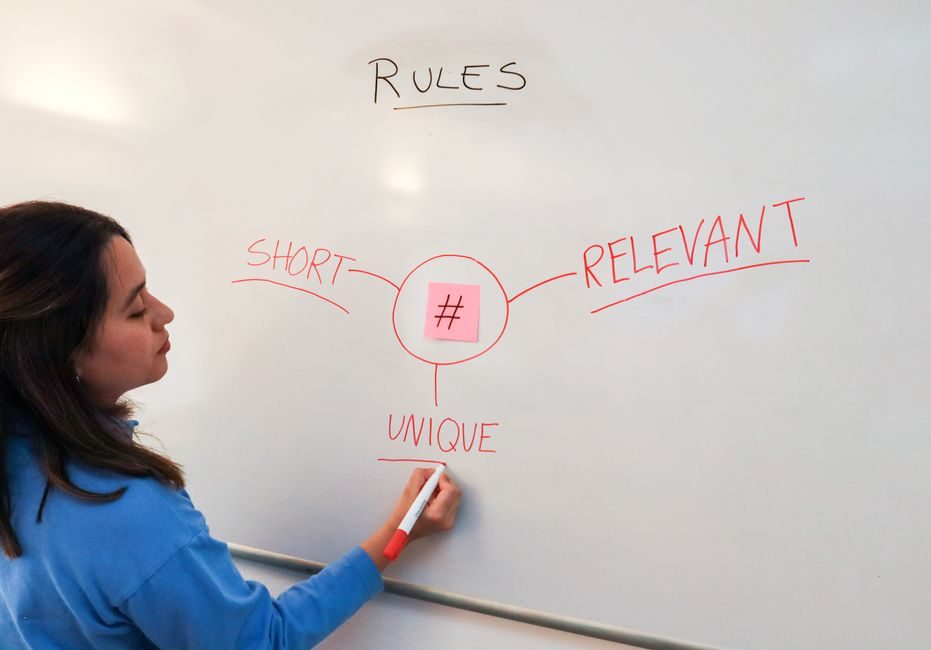
Give the agency enough business context to make useful recommendations. Explain the audience, products, margins, sales cycle, competitors and any limits on capacity or compliance. Share what has already been tried, including unsuccessful campaigns, so the team does not spend time repeating work or mistake an old constraint for a current priority.
Set a small number of business goals and make the trade-offs explicit. If the priority is qualified leads rather than broad awareness, say so and explain how sales staff judge lead quality. The agency can then recommend channels and measures that fit that aim instead of optimising for easy-to-report activity.
A brief works best when the people who will use the output contribute to it. Sales teams can explain common objections, customer support can identify recurring questions, and developers can flag technical limits. Gather these details before planning begins, then update the agency when products, service areas or business priorities change.
- Share customer and sales insights.
- State the priority business outcome.
- List approvals and technical constraints.
- Provide access to current performance data.
Make Reviews Lead to Action
Use review meetings to make decisions about the next work, not to read every line of a report aloud. Ask what changed, what the evidence suggests and what the agency recommends doing next. End with named owners and dates for actions on both sides, then circulate a brief record so decisions do not disappear into meeting notes.
Good feedback is specific enough to improve the work. Instead of saying that a campaign feels wrong, point to the audience, message, landing page or business constraint that is causing concern. When feedback conflicts, explain which goal takes priority and let the agency offer alternatives with their likely trade-offs.
Protect time for learning as well as delivery. A useful test has a clear question, a defined audience and a way to judge the outcome, even if it does not produce the result hoped for. Keep a record of what was changed and learned, so future work builds on evidence rather than cycling through the same ideas.
Frequently asked questions
How long does it take to see results from an agency?Timing depends on the channel, the starting point and how quickly the client can approve and implement work. Paid campaigns can produce early delivery data, but profitable outcomes still require testing and refinement. SEO often needs more time because changes must be crawled, assessed and reflected in search performance. Ask the agency to distinguish early indicators from business results and agree review points.
Should an agency guarantee marketing results?Be cautious of guarantees for rankings, sales or lead volumes because agencies do not control every factor that affects them. A credible proposal can commit to defined work, reporting, communication and a method for testing improvements. It should also explain assumptions and risks, such as budget, competition, site access or the client's ability to follow up leads.
What should a client prepare before hiring an agency?Prepare a clear description of your goals, audience, services, existing marketing and internal capacity. Gather access to relevant analytics and advertising accounts, plus any brand, legal or technical requirements that affect delivery. You do not need a perfect strategy before the first conversation, but knowing who approves work and what success means will make proposals more useful.
When should a business review or change its agency?Review the relationship when agreed work repeatedly slips, reporting does not answer business questions, communication breaks down or priorities have changed. First check whether the problem is caused by unclear scope, delayed approvals or missing access, since those issues may be fixable. If expectations remain misaligned after a direct discussion and a documented improvement plan, consider a different arrangement.
Build a Clear Agency Partnership
Marketing agencies turn goals into coordinated work by combining specialist skills, delivery plans and measurement. The strongest partnerships make responsibilities visible: the agency explains its recommendations and completes agreed tasks, while the client supplies context, access and timely decisions. Compare proposals by scope and expertise, not by broad promises, and judge progress against measures connected to the business rather than activity alone.
Before your next agency conversation, write a brief covering the outcome you need, the audience you serve, the work you expect and the resources your team can provide. Ask candidates to show who will deliver the work, how they will report it and what they need from you. That simple preparation makes it easier to select support that fits and to build a productive working relationship.
Add Guest Posting Forum as a preferred source on Google


