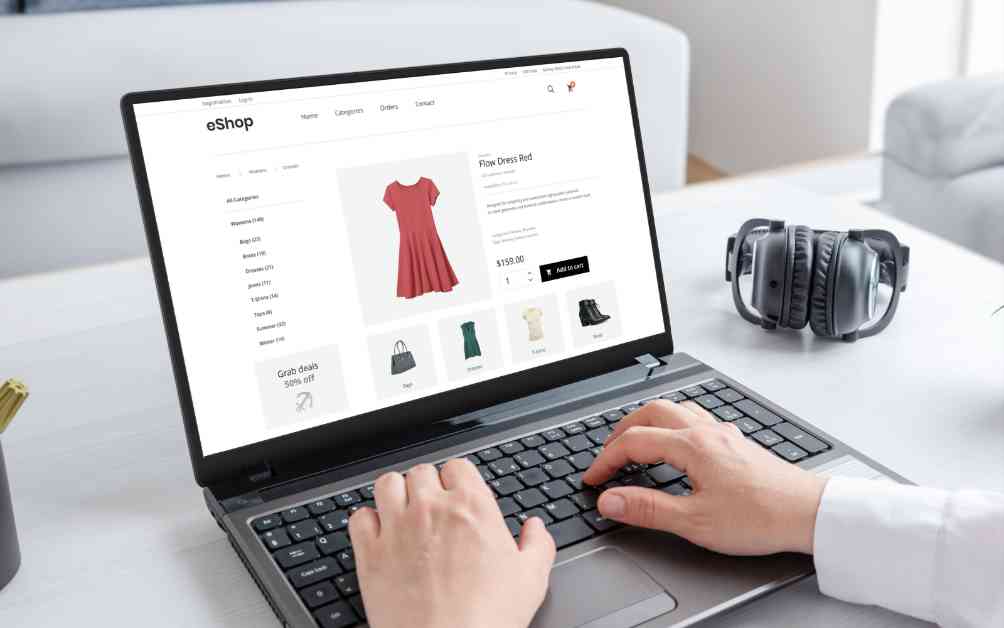
The Evolution of E-Commerce
The landscape of retail has undergone a seismic shift with the advent of e-commerce. What began as a novel way to purchase books online has burgeoned into a multi-trillion-dollar industry that touches nearly every aspect of our lives. For entrepreneurs and businesses, understanding the nuances of e-commerce is no longer optional; it’s a necessity for staying competitive in today’s market.
E-commerce has democratized retail, allowing small businesses to reach global audiences with minimal overhead. However, this democratization also means that competition is fiercer than ever. To thrive in this environment, businesses must leverage technology, understand consumer behavior, and adopt innovative marketing strategies.
Key Strategies for E-Commerce Success
Success in e-commerce is not accidental; it’s the result of strategic planning and execution. Here are some key strategies that can help businesses navigate the complexities of online retail:
- User Experience (UX) Design: A seamless and intuitive user experience is crucial for converting visitors into customers. Invest in UX design to ensure your website is easy to navigate, visually appealing, and mobile-friendly.
- Search Engine Optimization (SEO): SEO is the backbone of organic traffic. Optimize your product listings and website content with relevant keywords to improve your search engine rankings.
- Data-Driven Decision Making: Utilize data analytics tools to gain insights into customer behavior, sales trends, and market dynamics. Data-driven decisions can significantly enhance your marketing and operational strategies.
- Personalization: Personalized shopping experiences can dramatically increase customer loyalty and sales. Use customer data to tailor product recommendations, marketing messages, and promotions.
Implementing these strategies requires a combination of technical expertise and creative thinking. For instance, personalization can be as simple as recommending products based on past purchases or as complex as using machine learning algorithms to predict customer preferences. The key is to start with what’s feasible and gradually scale up as your business grows.
The Role of Product Reviews in E-Commerce
Product reviews are a cornerstone of e-commerce. They provide social proof that can significantly influence purchasing decisions. According to studies, a vast majority of consumers read reviews before making a purchase. Therefore, encouraging customers to leave reviews can boost your credibility and sales.
However, managing product reviews is not without its challenges. Negative reviews can deter potential customers, and fake reviews can erode trust. To mitigate these issues, businesses should:
- Respond promptly and professionally to negative reviews to show customers that you value their feedback.
- Implement a verification system to ensure the authenticity of reviews.
- Encourage satisfied customers to leave reviews through follow-up emails or incentives.
By fostering a culture of transparency and responsiveness, businesses can turn product reviews into a powerful tool for growth.
Balancing Work and Study in the E-Commerce World
For many e-commerce entrepreneurs, especially those just starting out, balancing work and study can be a daunting task. The demands of running an online store often leave little time for personal development or further education. However, continuous learning is crucial for staying ahead in the rapidly evolving e-commerce landscape.
For those juggling an e-commerce business with academic pursuits, finding effective study techniques is essential. Resources like best study tips for college students can provide valuable insights into time management, study habits, and stress reduction. Implementing these strategies can help entrepreneurs maintain a healthy work-study balance, ensuring they have the knowledge and skills needed to succeed in the competitive world of e-commerce.
Moreover, many universities and online platforms offer courses specifically tailored to e-commerce and digital marketing. Investing time in these courses can provide entrepreneurs with the latest industry knowledge and practical skills, ultimately benefiting their businesses.
The Future of E-Commerce
The future of e-commerce is bright and filled with exciting possibilities. Emerging technologies like artificial intelligence (AI), virtual reality (VR), and augmented reality (AR) are set to revolutionize the way we shop online. AI can enhance personalization and customer service, while VR and AR can create immersive shopping experiences that blur the line between online and in-store retail.
Additionally, the rise of social commerce, where shopping is integrated into social media platforms, is changing the way businesses engage with customers. Platforms like Instagram and Facebook are increasingly becoming marketplaces, allowing businesses to reach audiences where they already spend their time.
To stay ahead of the curve, e-commerce businesses must be agile and adaptable. Embracing new technologies and trends can provide a competitive edge and open up new opportunities for growth. However, it’s also important to remain grounded in the fundamentals of good customer service, quality products, and strategic marketing.
Conclusion
E-commerce is a dynamic and ever-evolving field that offers immense opportunities for businesses willing to adapt and innovate. By focusing on user experience, leveraging data, and embracing new technologies, businesses can thrive in the competitive online retail landscape. Additionally, balancing work and study, as highlighted by resources on best study tips for college students, can ensure that entrepreneurs continue to grow both personally and professionally.
The future of e-commerce is not just about selling products online; it’s about creating seamless, personalized, and engaging shopping experiences. Businesses that can master these elements will be well-positioned to succeed in the digital age.
To stay ahead in the dynamic world of online retail, delve into our latest feature ecommerce trends and opportunities for expert guidance and actionable advice.
As online shopping and e-commerce continue to evolve, understanding the digital landscape becomes crucial; delve into how tech shapes journalism today to stay informed about the trends influencing your shopping experience.
If you’re looking to stay ahead in the ever-evolving world of sports and fitness, check out sports trends and gear reviews to find the best products and tips for your active lifestyle.